
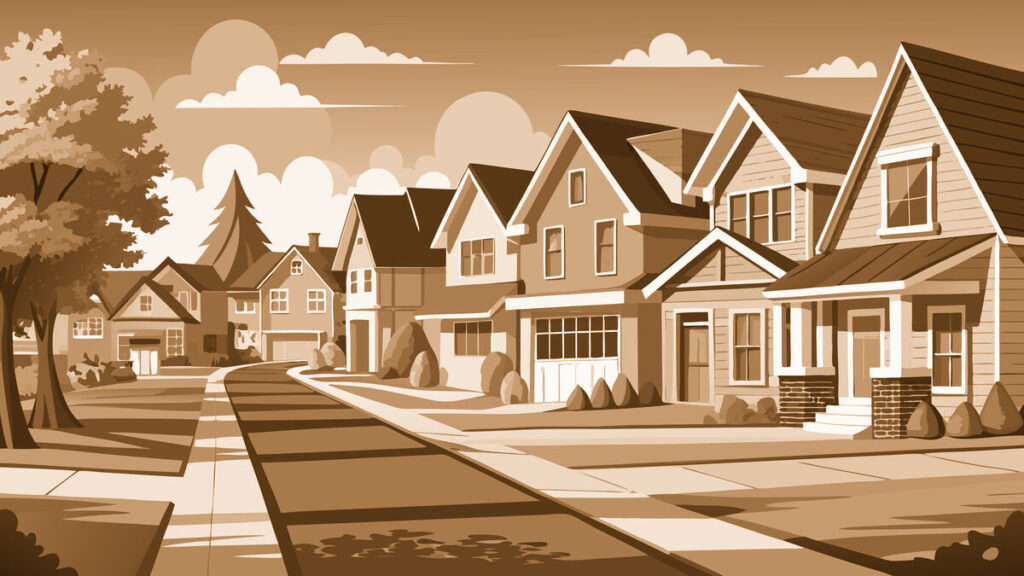
Windsor Park, nestled just northeast of downtown Indianapolis, is a neighborhood with a story to tell. From its historic roots to its vibrant present, Windsor Park stands as a testament to the spirit of renewal and community that defines the city. Whether you’re new to Indy or have called it home for years, learning the history of Windsor Park reveals why so many are drawn to its tree-lined streets, proud homes, and neighborly warmth.
Origins: From Farmland to Urban Neighborhood
Windsor Park’s origins stretch back to the late 1800s, when Indianapolis was growing rapidly. The land that makes up today’s Windsor Park was once on the far edges of the city—largely farmland, dotted with orchards and open spaces. Development began in earnest as the city’s population expanded outward, drawn by the promise of new jobs and opportunities as the railroads and factories boomed.
Initially, much of the area was part of the rural town of Brightwood. As Indianapolis annexed surrounding lands and urban sprawl took hold in the early 20th century, new neighborhoods began popping up, each with its own distinctive flavor and personality. Windsor Park was platted as one of these fresh starts, offering affordable homes for working-class families looking to settle near downtown.
How Windsor Park Got Its Name
While the exact provenance of the “Windsor Park” name isn’t documented in city annals, it’s widely believed to be inspired by England’s famous Windsor Castle and its surrounding green, Windsor Great Park. This tradition of borrowing grand European names was common in Midwest cities around the turn of the 20th century. The name suited the neighborhood’s ambitions: With wide streets, generous lots, and stately American Four-Square, Craftsman, and Victorian homes, there was an air of both aspiration and welcome.
Streets in Windsor Park—like E. 16th Street, Tecumseh Street, and Brookside Avenue—became home to families of railroad workers, tradespeople, and shopkeepers, who formed the backbone of the neighborhood’s rich tapestry.
Key Historical Milestones
Arrival of the Railway
One of the most significant drivers of Windsor Park’s early growth was its proximity to the Belt Railway and later the Pennsylvania Railroad. The railroad brought both workers and commerce, and simple but sturdy houses rose quickly to accommodate the influx. The nearby Spades Park Library, now a historic landmark, opened in 1912 and became a center for culture and learning—a beloved gathering spot for generations.
Architectural Heritage
Walking through Windsor Park is like stepping back in time. Decades-old trees shade sidewalks lined with American Four-Square homes, their spacious porches inviting neighbors to sit and chat. Many houses were built between 1900 and 1930, when the Arts and Crafts movement inspired simple, elegant lines and quality woodwork.
The neighborhood’s pride in preservation is evident, with several blocks on the National Register of Historic Places and ongoing efforts by residents to restore and maintain its original character.
The Postwar Period and Urban Change
Windsor Park, like many inner city neighborhoods, faced challenges by mid-century. As suburbs began drawing families further out and industry changed, the neighborhood experienced periods of decline and renewal. Still, the underlying spirit and sense of community persisted, with neighbors banding together to keep Windsor Park safe, clean, and welcoming.
Landmarks and Community Anchors
Windsor Park’s charm isn’t just found in its houses—several key spaces have anchored the neighborhood throughout its history.
- Spades Park: Just to the north, Spades Park is a green oasis along Pogue’s Run, featuring walking trails, a shelter house, and regular community events. The park has long been a place where children play, families picnic, and festivals bring neighbors together.
- Spades Park Library: Located at 1801 Nowland Avenue, this Carnegie-funded library has been a neighborhood fixture since 1912. Its stately brick architecture and welcoming atmosphere make it a favorite spot for learning and gathering.
- IndyGo and Mass Transit: Windsor Park’s convenient access to IndyGo bus lines and its walkability have always set it apart. Many long-time residents recount fond memories of taking streetcars or walking to downtown theaters and shops.
- Community Murals: In recent years, vibrant murals have sprung up along E. 16th Street (often called “the Avenue of the Arts”), turning otherwise nondescript walls into canvases celebrating the neighborhood’s diversity and resilience.
Windsor Park Today: Revitalization and a Bright Future
Over the last two decades, Windsor Park has experienced a remarkable resurgence. The neighborhood’s close proximity to downtown Indianapolis, lively arts scene, and relatively affordable real estate have fueled a renaissance. Young families, artists, entrepreneurs, and long-time residents mingle at local spots like Kan-Kan Cinema and Brasserie, Circle City Industrial Complex, and the annual neighbor block parties.
Housing rehabs and community gardens, like the Windsor Park Community Garden off Gray Street, are visible signs of Windsor Park’s commitment to renewal and inclusivity. The Windsor Park Neighborhood Association plays a key role, organizing cleanups, historical walking tours, and holiday celebrations.
A focus on walkability, green spaces, and support for local businesses has helped Windsor Park maintain its small-town feel even as new amenities continue to emerge. Today, you’re just as likely to hear the laughter of kids on E. 13th Street as you are to find friends gathering at the Windsor Park Art Cinema or enjoying a Saturday morning stroll through Spades Park.
Conclusion: The Heart of a Neighborhood
What truly makes Windsor Park special is its people. Over generations, this neighborhood has weathered change and challenge by coming together—whether to restore a historic home, build a new playground, or simply share a friendly wave across the porch.
To walk the blocks of Windsor Park is to see layers of history: railroad-era cottages, classic Arts and Crafts showpieces, and a new wave of creativity fostered by passionate locals. It stands as proof that neighborhoods are more than boundaries on a map—they are living, evolving communities filled with stories, hopes, and a strong sense of belonging.
So next time you find yourself on E. 16th Street, take a moment to appreciate Windsor Park. Its legacy is woven tightly into the fabric of Indianapolis—a reminder that the past shapes the present, and the best days are always still to come.